
How to Choose the Right Custom Builder for You
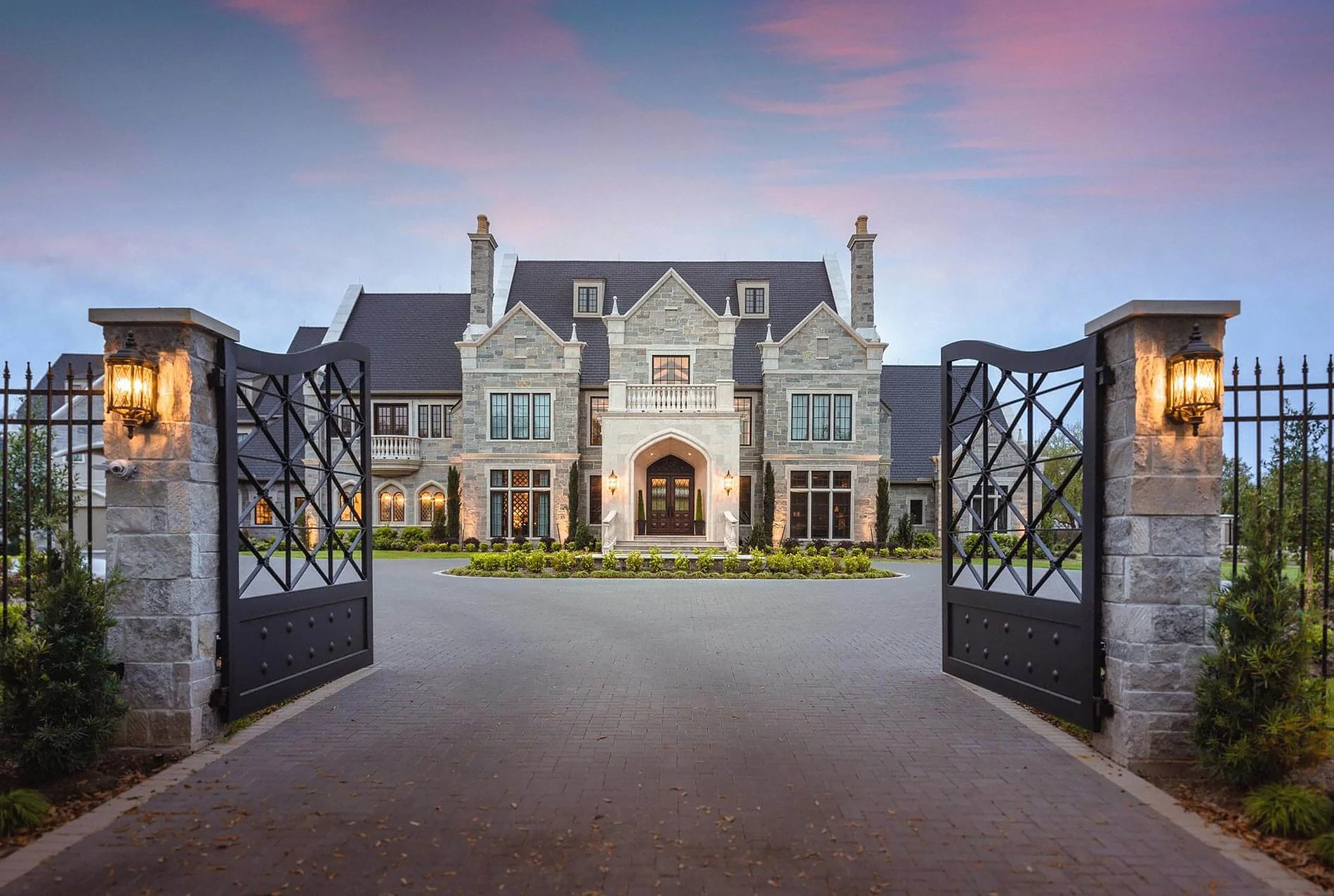
This blog post was originally written for Sims Luxury Builders in January 2019.
Congratulations! You’re taking the first steps toward building your own custom home. You’ve probably been thinking about your dream home for quite a while. Maybe you’ve even spent a few late nights perusing Houzz for inspiration. You may have already chosen the perfect lot or sketched out floor plan ideas. Wherever you are in this research phase, we’re thrilled you’ve found us. We make it our mission to provide thoughtful, practical resources to people like you who are embarking on this exciting custom homebuilding journey.
In this post, we hope to make one of the most important decisions in the process less daunting. Selecting the right custom homebuilder is arguably the most impactful decision you will make along the road to your dream home. Choose well, and you’ll gain a true partner and advocate. With the right builder, you can avoid the all-too-familiar construction horror story and instead enjoy a high-quality home and a smooth, collaborative, and creatively fulfilling experience for you and your family.
When to choose your builder
The best time to choose your builder is either before you begin the design phase with an architect or shortly after engaging one. Bringing a builder on board early ensures that your home’s design and your desired budget stay aligned throughout the process. In fact, a good custom builder will do far more than simply keep costs in check during the architectural design phase. They will also:
Collaborate closely with the architect
Keep plan development on schedule
Provide unique design ideas
Produce an initial estimate based on preliminary design
Provide valuable construction expertise and insight
Offer value-engineering and cost-saving options
Suggest high-performance home specs
Mitigate potential constructability issues
Are you ready to build the home of your dreams? Contact us today. »
Beginning your search
First, you should know that in Texas, anyone can legally call themselves a builder. No licenses or certifications are required by law here, unlike in most other states. Because of this low barrier to entry, there are hundreds of homebuilders in and around Houston, some better than others.
It’s always best to start your search by talking to friends, family, neighbors, and real estate professionals you trust for referrals to custom builders. Chances are, someone you know has heard firsthand experiences about a builder or two. In the worst-case scenario, these conversations may not uncover a standout builder, but they might help you create a list of builders to avoid. That’s just as valuable.
If your trusted circle doesn’t uncover any clear frontrunners, turn to the web, but proceed with caution. Be specific in your Google searches. Instead of searching for “Houston home builders,” try “award-winning custom home builders in Memorial” or the exact neighborhood where you hope to build. Jot down a list of about a dozen builders, being sure to exclude those with consistently negative reviews or ratings.
Dig deep in your research
Now for the fun part. It’s time to narrow your list to your top two or three choices. You’ll want to do this through a combination of online research and direct outreach via their website or phone.
Tip for online research:
Do as much homework as possible to gauge each builder’s experience, portfolio diversity, team strength, quality standards, organizational ability, values and philosophy, communication style, and industry recognition.
Tip for reaching out:
Either call the builder’s office or submit a “Contact Us” form through their website. The correspondence that follows will give you an early sense of their team’s responsiveness, professionalism, and willingness to help.
Interview your top 2-3 choices
This will be the most time-consuming and most crucial part of the process. Schedule a face-to-face meeting with each builder and request a visit to both a completed home and a current jobsite.
The face-to-face meeting will give you the chance to assess:
Organization, effectiveness, and transparency of systems and processes
Strength of the team and relevant experience
Communication style and personality of the builder and their team
The site visit will allow you to evaluate:
Quality of construction and finishes
Jobsite cleanliness and safety measures
How knowledgeable and hands-on the builder is with their projects
To make this process a little easier for you, below is a list of questions you may want to consider asking when meeting with your top builders:
How closely do you work with my architect and interior designer?
You want a builder who prioritizes a collaborative partnership with your architect and interior designer. This will prevent miscommunications that can lead to unnecessary tension, schedule delays, and extra costs. More importantly, listening to how they approach relationships with your design team will also give you a clue as to how they will approach communication with you.
Do you have experience building the style and quality of the home that I want?
This is extremely important because each architectural style presents unique challenges. You want confidence that your builder is drawing from a deep catalog of experience, not learning on the fly with your project.
Can you tell me about your estimating process? How do you make sure your budgets are accurate?
Listen for a thorough, methodical approach. Preliminary estimates should be based on historical hard costs and current market pricing, while detailed budgets should rely on multiple vetted subcontractor bids. You want to walk away confident that the team aims for airtight budgets.
How long does it take for you to produce an estimate for my home?
A preliminary estimate can take as little as a week, and a detailed budget estimate can take as long as three weeks. If the timeline is longer, ask why. You may have a particularly complex home design, which would understandably take longer than three weeks to estimate, or they may be overloaded, which could be a red flag that your project won’t get adequate attention if you choose them as your builder.
How are you compensated for your pre-construction services?
High-end custom builders know how time-intensive the pre-construction phase can be. They spend significant time reviewing architectural plans to identify cost-saving opportunities, constructability issues, and potential design improvements, then invest additional hours gathering and evaluating multiple subcontractor bids to develop a thorough and accurate budget.
Because of this level of effort, it is common to compensate experienced custom builders for pre-construction services. You may hear different approaches, but what matters most is that the arrangement feels transparent and reasonable to you.
Who will you assign to my project, and how often will my project be under direct supervision?
If you’re early in the design phase, it’s unlikely that the builder will be able to tell you for sure who will be assigned to your project when construction finally begins months from now. Instead, you’ll hopefully learn two things from their answer:
What each of their project teams looks like (Construction manager only? Construction manager and project manager? What kind of in-office support does each project team get?)
How heavily their project teams are loaded up at any given time (We’re talking about complex, high-quality custom homes, so your project should be under direct supervision either every day or every other day.)
How will questions and concerns be addressed during construction?
Construction hiccups are inevitable. You want to make sure that you like the builder’s communication style and that you trust the builder will value your opinions and concerns throughout construction. Bonus points if the builder tells you their team will establish a regular meeting schedule with you, your design team, and their subcontractors. This shows that they value organization, accountability, communication, and efficiency.
How do you qualify the subcontractors who will work on my home?
Try to gauge how familiar the builder is with their current subcontractor base. Have they built lasting relationships with Houston’s high-quality subs? Do they thoroughly vet any new subs before putting them on a project?
In the event of changes to the design or unforeseen conditions that result in additional costs, what is the process?
Change orders are common in high-end custom homes. You want a clear, documented process for approvals, pricing, and implementation.
How long do you anticipate the construction of this project will take? How do you mitigate challenges to stay on schedule during construction?
This answer will vary depending on the size and complexity of your home’s design. A custom home can take anywhere from 8 months to over 24 months. What you also want to know is how organized the builder’s systems and processes are, how experienced their team is, how diligent they are about regularly updating your project’s schedule, and how proactive they are at anticipating and solving problems before they arise.
Do you offer fixed-price or cost-plus contracts?
Hopefully, the home builder you are interviewing allows you the flexibility to choose the contract type that you feel most comfortable with. They should thoroughly and patiently explain both options to you as well as present the pros and cons of each so that you can feel good about whichever option you choose.
Can you give me examples of specific building materials you prefer to use and why?
This question is your window into two things: how deep their knowledge and expertise run in building high-end homes, and what level of quality represents their minimum standard. Ask follow-up questions, not to become an expert yourself, but to feel comfortable with how patiently and thoroughly they communicate themselves as the expert.
How do you service warranty issues after we move in?
Correct answer: quickly and thoroughly with minimal headaches and intrusions for you!
Can you provide me with a sample contract, budget, schedule, and warranty?
The builder may not have these resources available at the time of your meeting, but they should be able to get them to you soon after.
Can you provide me with a few references, preferably one past client and one current client?
This should never be an issue. Hesitation here may be a red flag.
Contact References
Try not to skip this step, even if you’re tempted to. While references are typically happy clients, these conversations can reveal valuable insights into a builder’s strengths, weaknesses, and working style.
Questions to ask references:
Did you enjoy working with this builder?
What would you say are their strengths?
Was your project finished on time? If not, what were the reasons for the delays?
Did the builder communicate the schedule clearly?
Did the builder ask for decisions in a timely manner?
Did you feel your original budget estimate was thorough?
Did the project finish on budget? What were the reasons for overages?
Were your project's finances clear and transparent?
How did the builder react in stressful situations?
What role did the builder take once the project began?
Who specifically worked on your project? Who would you request if you were building again?
Was the project clean and organized?
Were there certain subcontractors on your project that you would strongly recommend or avoid?
How has the builder responded to warranty issues since you moved in?
If you were building another home, would you choose this builder again?
If you have any additional questions about this step in your custom homebuilding journey, please feel free to reach out to our team. Happy hunting!
